


Big, empty, green areas look great for developers, but you can’t always build on them.
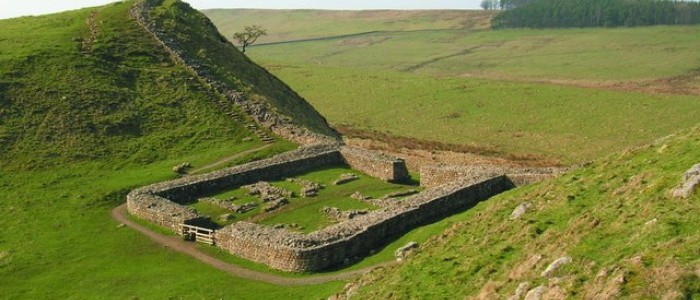
Some areas might be known as ‘designated areas’. That means it might be protected – sometimes for cultural reasons, for example if it’s an important historical site.
There could be the ruins of an old Roman town under these lush green spaces – you wouldn’t want a load of bulldozers ripping those up!
And just because a load of land looks like a big swamp, doesn’t mean there isn’t important wildlife living there…
Even if it appears there are only a few birds and newts living there, that’s why that area may be designated. It might be the only place in the country where you find those particular species! If we build there, then they’re likely to become extinct.
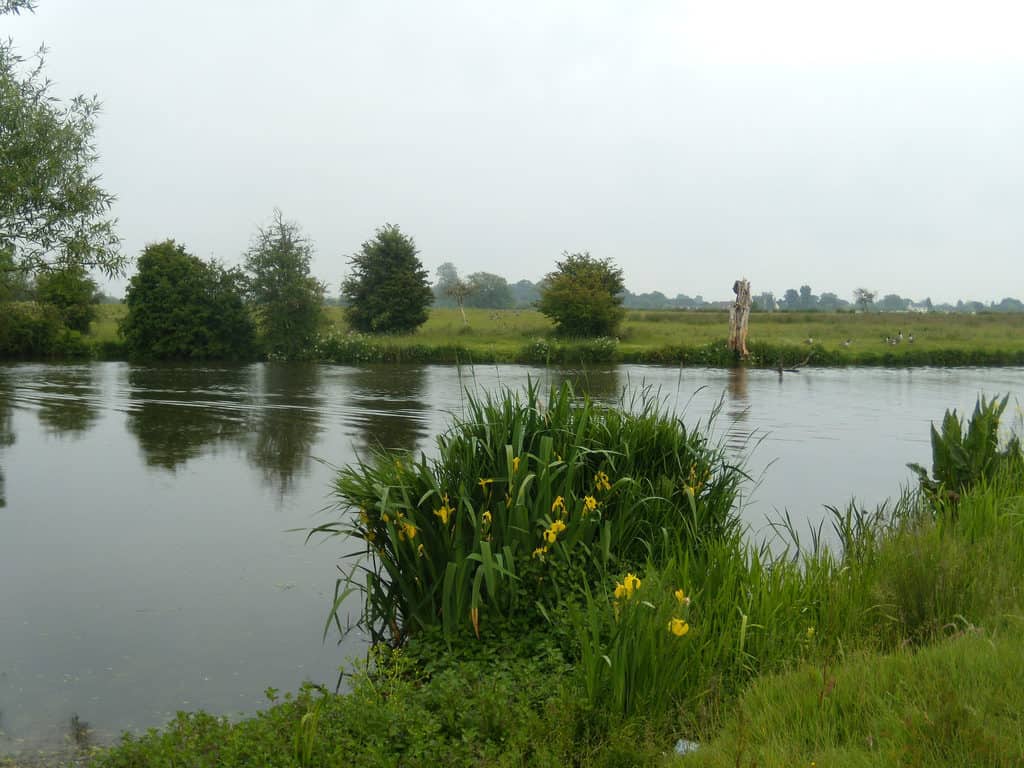
Planners need to make sure that wherever possible, new developments don’t harm eco systems and allow wildlife to thrive. And it’s not just about rare species – green spaces are important for ALL wildlife.
Good planning seeks to replace the green areas that we’ve lost and plan our towns in a way which helps wildlife to thrive as well as people!
That’s one of the three aims every town planner tries to take into account – inclusivity.
Buildings themselves can help solve many of the problems created by changes to the environment.
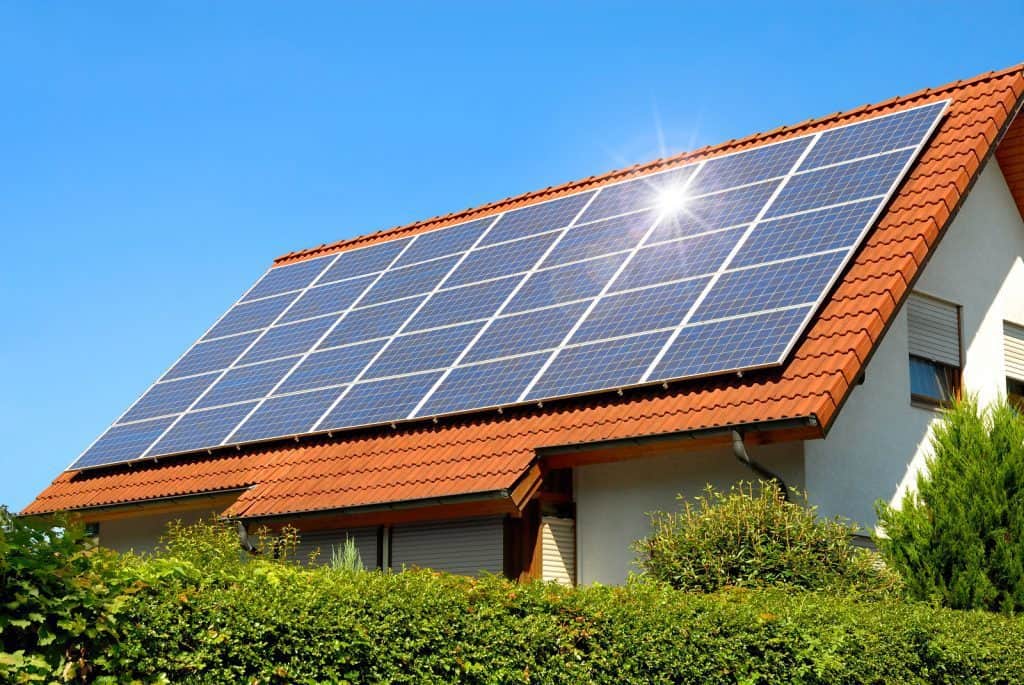
For example, some buildings have garden walls, air-conditioning powered by algae, and even solar panels on the roof! That’s important for another of the Town Planning aims: Sustainability.
The more efficient buildings are, the less energy they need, and that helps reduce the amount of fossil fuels used, which in turn, helps protect the environment!
You just need to Plan It. And who better to help than AGENT PLAN-IT!
Find out more about town planning with Agent Plan-It: Town Planning for Kids!
 Apple Podcasts
 Spotify
 Player FM
MOBILE: Building Towns and Cities: Planning and Architecture Explained for Kids
Discover how towns and cities are built!