



Welcome to Engineer Academy where we’re exploring an A to Z of Engineering – everything from acoustics to zoos.
In each episode, we spin the wheel to find out what type of engineering we’ll be exploring with the help of Engers, our engineering expert.
You can listen to the full series of the A to Z of Engineering here.
Let’s take a look at Yacht Engineering.
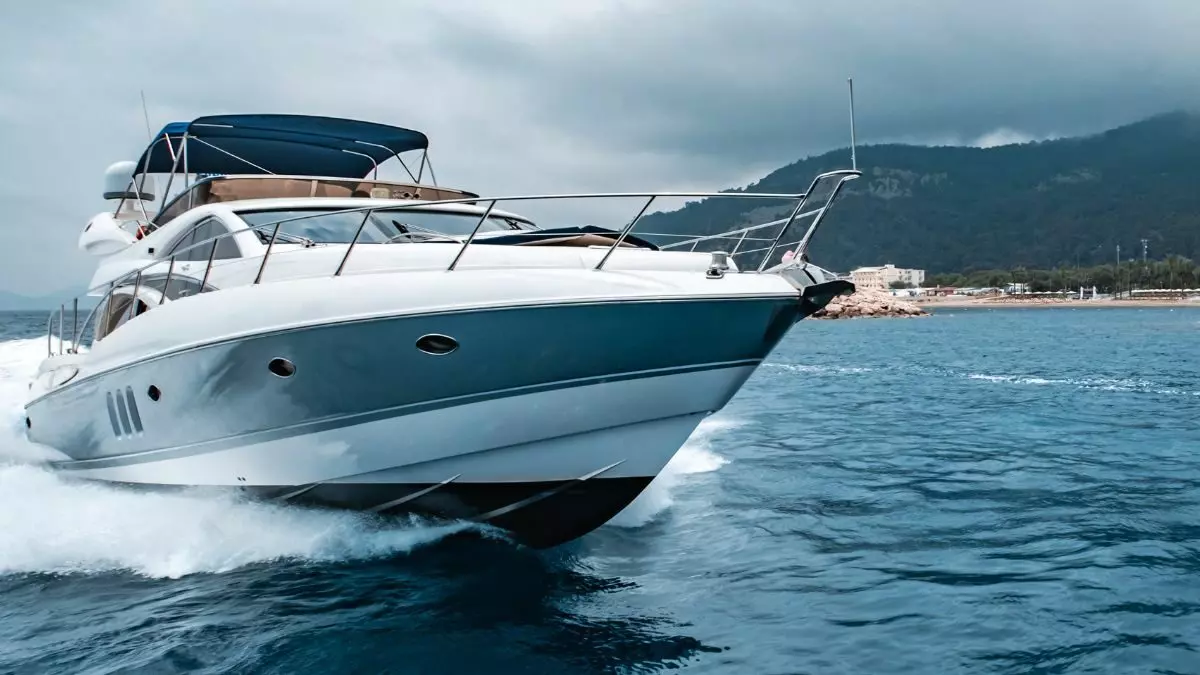
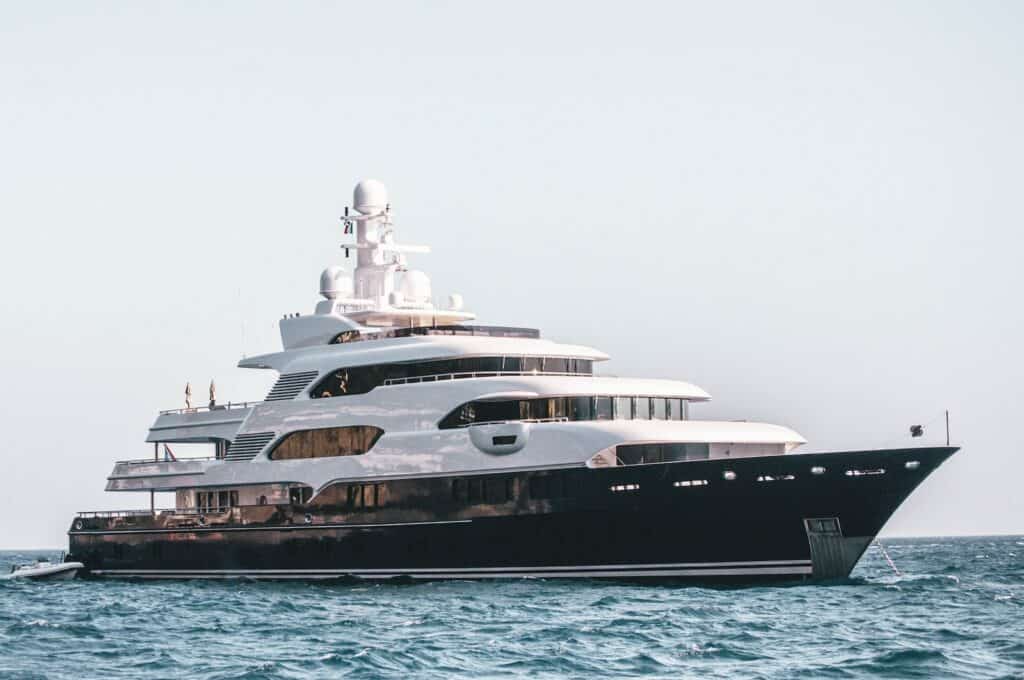
So, what is a yacht? Well, it’s a type of boat designed for sailing and racing. Most yachts are around 10 to 30 metres in length – but some are much bigger. The world’s largest is called Azzam and is a whopping 180 metres long. Unlike ferries or container ships, they’re not designed to carry hundreds of people or heavy cargo. Most are powered by sails, although others, especially larger yachts, are powered by motors. As you can imagine, engineering is key in the design and maintenance of yachts.
People have known for thousands of years how to move a boat by catching the wind with sails, but it wasn’t until the 17th century when the Dutch invented what we now know as yachts – small nimble crafts that could see off pirates! Did you know that many sailing superstitions from those days are still believed. Bananas are considered to be unlucky to take on board – and you must always step on to a boat with your right foot. Oh – and always look after the ship’s cat!
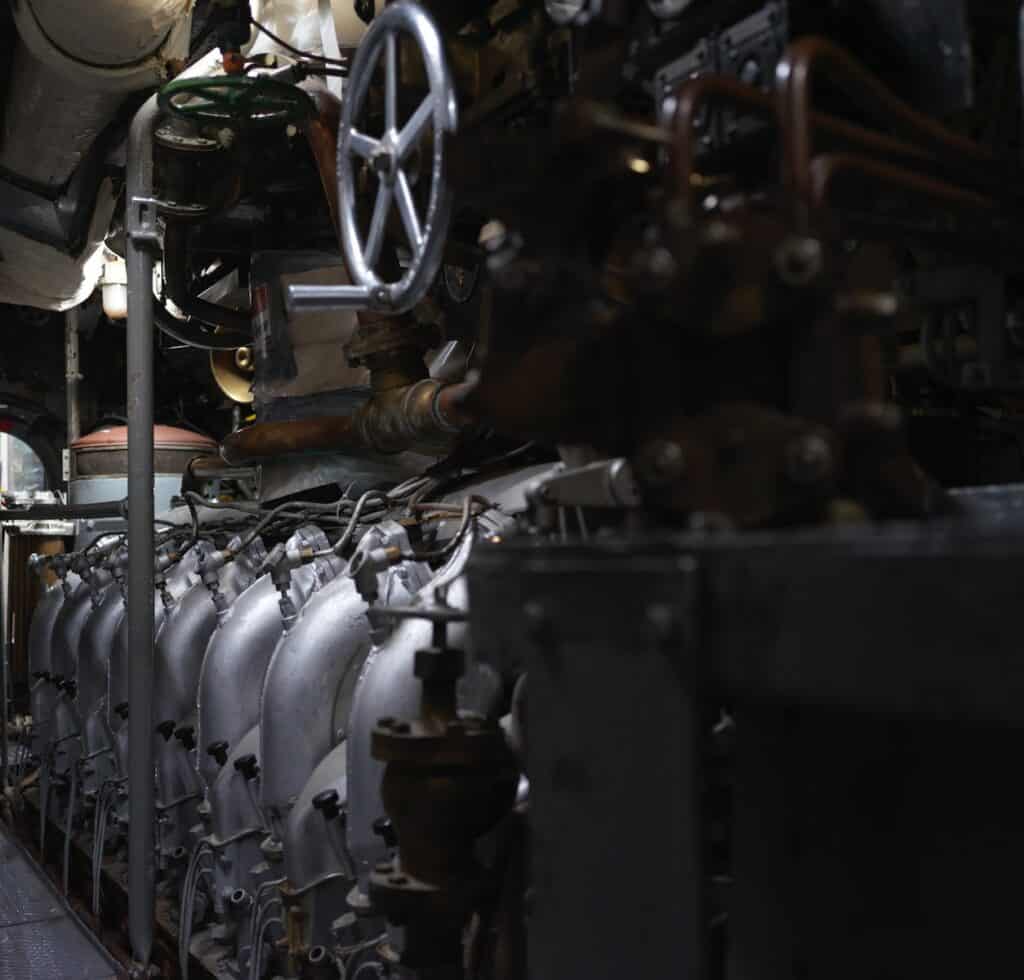
And looking after things is right at the heart of what yacht engineers do. They need to be able to maintain and repair pretty much everything onboard – and often when miles out at sea. That might be mechanical things like the engine…
Or the electrical system which powers the lighting, heating and computer systems…
And not forgetting the hydraulics… oh, and the structure of the yacht itself. Overall, it’s quite a big job!
Small yachts generally only need the services of an engineer when repairs or maintenance is needed, like to clean and treat the hull or replace a damaged mast.
Larger yachts, especially super and mega yachts, have much greater need for an engineer – or even a team of engineers to ensure the safe running of the vessel. Some of the world’s biggest yachts are almost like villages, with gyms, swimming pools and helipads, so you can imagine a team of engineers with a variety of skills is needed to keep everything plain sailing.
So if you fancy taking to the high seas and working in a team as a yacht engineer – what sort of skills would you need?
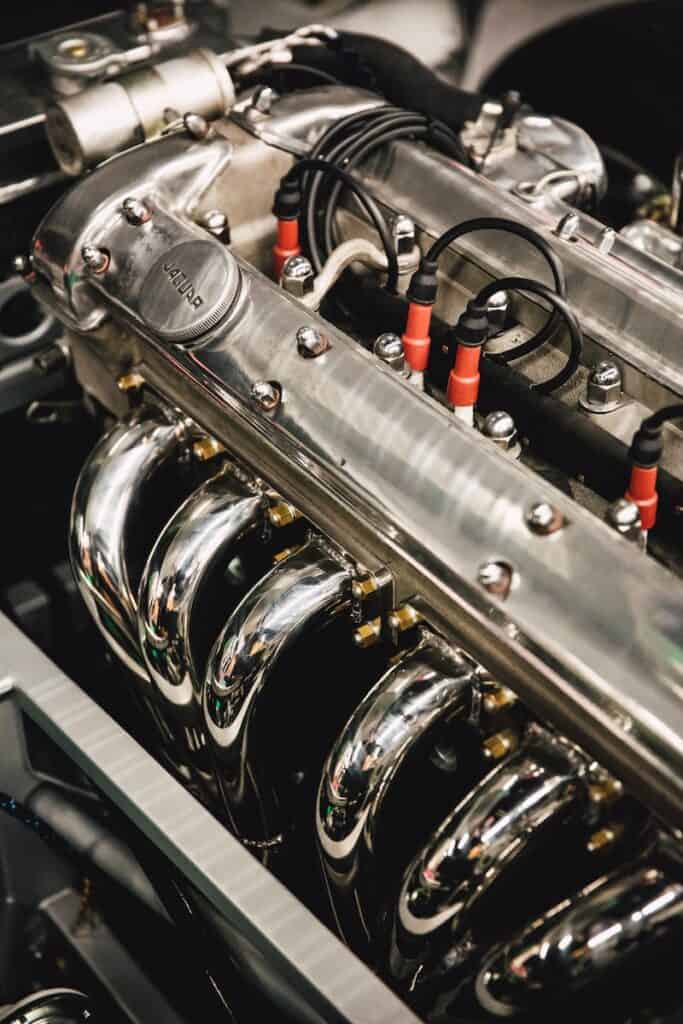
As we’ve seen, there’s a lot of different types of engineering to be done on a yacht so you might be working as a mechanical engineer in the engine room, an electrical engineer maintaining computer systems, or perhaps you’re skilled at fixing the plumbing…
Well, someone has to! As well as studying engineering, what’s critical to all roles is a keen eye for planning, and great organisation and project management skills. You need these skills in part to plan and carry out meticulous maintenance – this is crucial because it’s important to prevent problems from happening – putting things right and making repairs can be difficult if you’re miles from land and nowhere near supplies. You can’t exactly get a part delivered if you’re in the middle of the Atlantic.
Maintenance also involves keeping careful records of what’s been done and keep tabs on supplies and spare parts. So if you’re all about detail and enjoy keeping things running smoothly – why not take to the sea! Oh! And you’ll need to not get seasick too!
Yachts are great fun and can be incredibly luxurious but of course the sea can be a very dangerous place. And then of course there’s other challenges that aren’t life threatening – guests on a mega yacht might be very demanding if the gym doesn’t work
And that’s our take on the letter Y – it’s been um…. Yabadabadoo!
If you would like to check out some other types of engineering, why not check out Yarn Textile, Yard or Yield engineering!
Join us again next time to spin the wheel and explore another letter in the A to Z of Engineering!
And if you would like to know more about the design and technology of ships, check out Sean’s Ships.