


Welcome to Engineer Academy where we’re exploring an A to Z of Engineering – everything from acoustics to zoos.
In each episode, we spin the wheel to find out what type of engineering we’ll be exploring with the help of Engers, our engineering expert.
You can listen to the full series of the A to Z of Engineering here.
Let’s take a look at Heritage Engineering.
So what do we mean by heritage?
It’s a word we use to describe things like history, traditions and customs of countries, societies, companies and even schools. Historic buildings are part of our rich heritage, and today we’ll be taking a look at how engineering plays its part to maintain and protect them.

You might have visited a historic castle or house, or a monument or famous old bridge… and whilst you might be thinking what’s engineering got to do with something that’s already built, well the answer is that many are old – and some are VERY old, and heritage engineering is about keeping them strong and safe for people to visit for many years to come. So let’s dig in to the details with Engers – over to you!
Heritage is an area of engineering that throws up some big challenges but when you think about it, engineering is all about problem solving.
One challenge is that building materials have changed over the centuries – from simple stone and wood to more sustainable materials that we have today which can be stronger and lighter in ways that improves insulation and strength.
Great right? Well, yes and no. Heritage engineering aims to retain and protect as much of the original historic fabric as possible. After all, it wouldn’t be right to cover a medieval castle with solar panels. It’s not that these materials can’t be used, they just have to be used in ways that preserve the look and feel of the original.
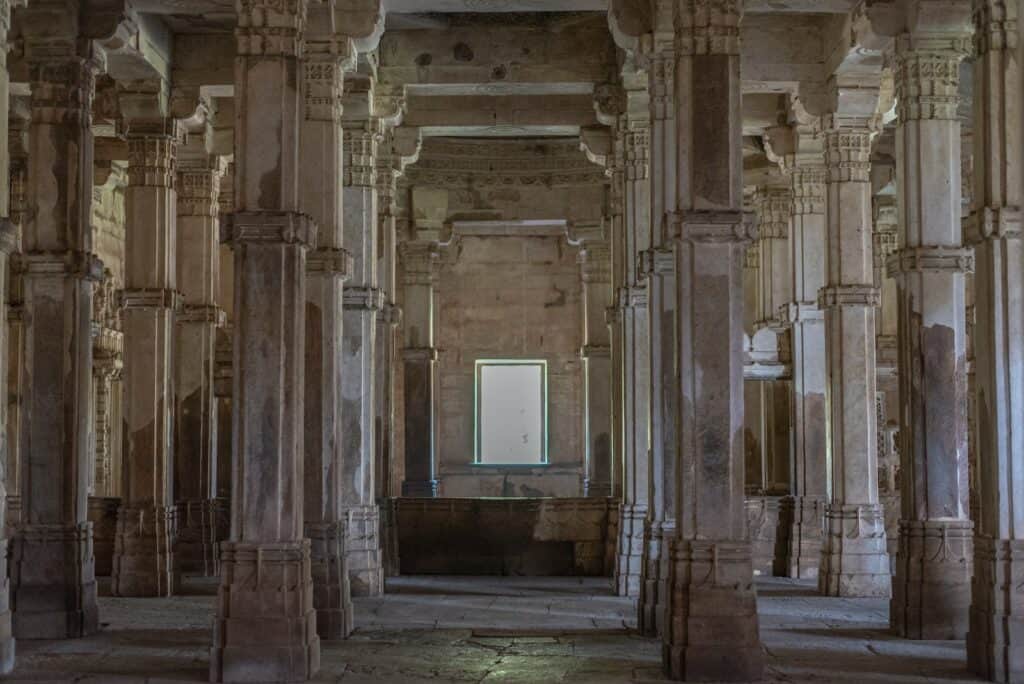
Most old buildings weren’t built with things like sprinkler systems, air conditioning – or even electricity. These systems are crucial not only to protect what’s inside – like works of art, but also to maintain the safety of the building, especially if it has people coming in to work or visit. Known as MEP systems – that’s mechanical, electrical and plumbing, engineers work hard to install these systems whilst causing as little damage as possible to the original floors, walls and ceilings. It can result in some creative thinking, like using flexible tubing for fire alarm wiring and to provide water for sprinklers, which can be slid into wall and ceiling cavities. Clever stuff!
In order to know what needs to be done and how best to make repairs, it’s crucial to know what you’re dealing with. So you need to look at a plan, right? Well, yes but there aren’t always plans of the original building – they may never have been made or have been lost over time, and changes over the centuries may mask what’s underneath.
And it’s not as simple as digging into the foundations or dismantling walls to find out about the structure of the building and to assess what needs repairing or find the source of problems such as damp. Doing that could damage the very heritage that we want to preserve. Luckily, modern technology provides engineers with some really cool ways to find out more. Infrared thermography is a non-destructive means of investigation that captures the heat energy emitted from a material which can be shown as an image on a screen.
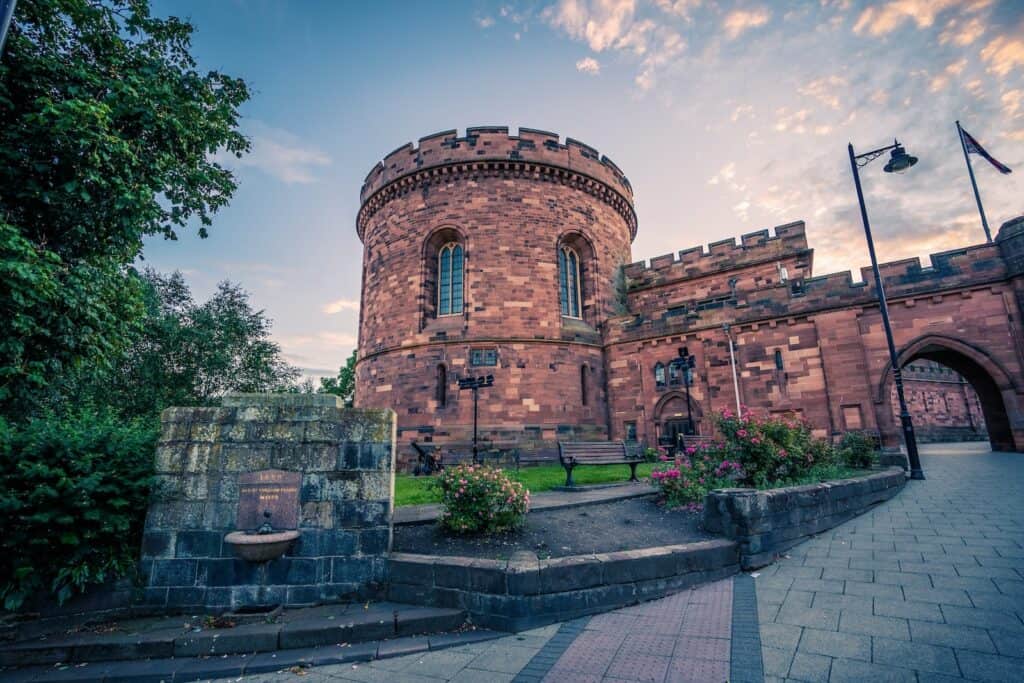
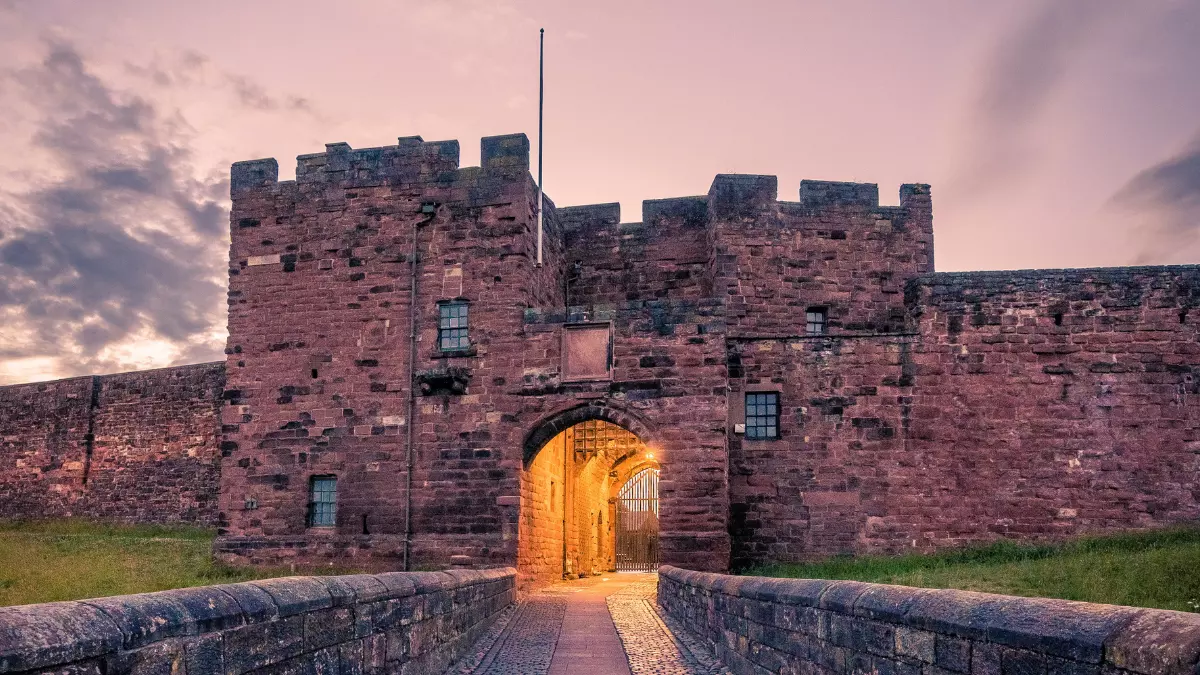
It’s a technique that was used to manage repairs at Carlisle Castle. The castle has a history of dampness and lots of work has been carried out over the years, including inserting a damp proof membrane in its flagstone roof. But the problems didn’t go away. So they used infrared thermography to highlight areas of condensation in the interior of the walls and roof, and damp in the masonry on the lower parts of the parapets, corners and flagstone joints – and this helped the right repairs to be made.
And that’s Heritage Engineering – and it’s been HEAVENLY!
Do you think there’s any other types of engineers that begin with the letter H? How about Hardware, Heating, Highway or perhaps Hydraulic engineering?
Join us again next time to spin the wheel and explore another letter in the A to Z of Engineering!