


Welcome to Engineer Academy where we’re exploring an A to Z of Engineering – everything from acoustics to zoos.
In each episode, we spin the wheel to find out what type of engineering we’ll be exploring with the help of Engers, our engineering expert.
You can listen to the full series of the A to Z of Engineering here.
Let’s take a look at Upcycling Engineering.

Did you know we use around 30 different electrical devices every day in our homes? From our alarm clocks and electric toothbrushes to our washing machines and televisions. And when you think how many homes there are – well, that’s a lot of devices.
And when we don’t want them anymore, we often just throw them away. And in doing so, we are throwing away some of the most precious materials on our planet – gold, aluminium, platinum, as well as silicon, steel, aluminium and plastics.
In the UK, we throw away around 155,000 tonnes of electricals each year. And let’s not forget about the 500 million plus devices that we no longer use and just keep in the back of a cupboard.
Now as we’ve been finding out in this series, engineers are experts at solving problems and so to reclaim these hidden treasures, teams are working on ways to recover more of these precious materials. And the great thing is that it’s a process YOU can be part of.
Each year, we could salvage more than £850 million of precious metals from old electricals – including enough gold to make more than 850,000 rings! That’s why it’s important to recycle, repair or donate electricals we no longer need.

And it’s not just big things like TVs and fridges – some of the best hidden treasures are inside small electrical items like kettles, hair dryers and straighteners and electric toothbrushes. And let’s not forget all of those electrical cables and old laptops. It’s estimated there’s enough unwanted cables to go around the world five times, if we recycled our old laptops we could save 980,000 tonnes of CO2 emissions.
So how can we turn old devices into gold? First of all – and the easy part – we need to take any unwanted devices to electrical recycling points. From here, they go to a reprocessing plant where they’re sorted and broken apart to retrieve the mechanisms.
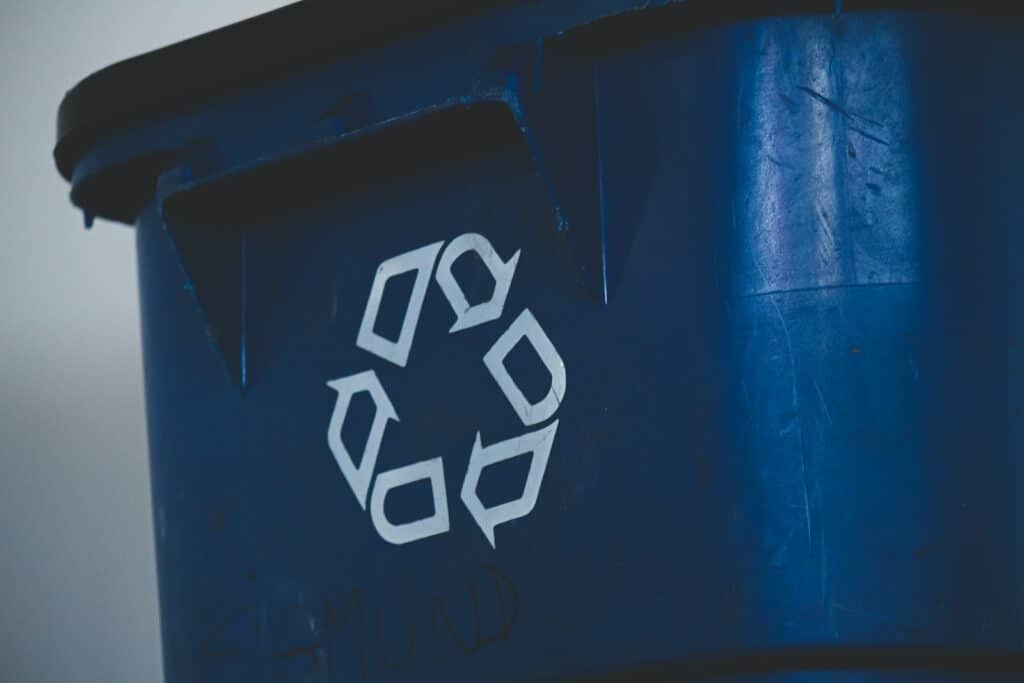
Each of the different materials are sorted into types. For the metals, it’s into a shredder!
Magnets separate steel and other ferrous metals, whilst electrical currents remove other metals. Plastics are sorted into different types and ground up.
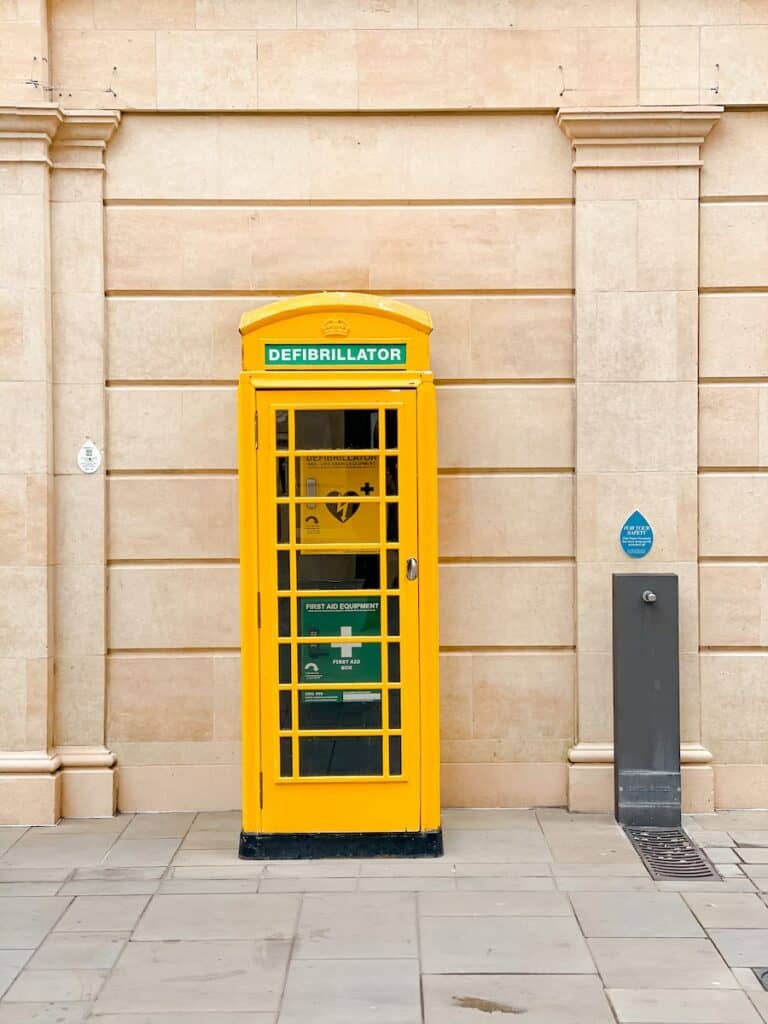
These recovered metals and plastics become valuable commodities to the UK economy – and can become new products – from bicycles to life saving defibrillators.
So how can you get involved? It’s as easy as ABC!
- ASK! First of all, find out if your old electrical devices contain batteries or bulbs. Remove these before recycling. You also need to make sure any personal data is removed from smart devices and computers. So delete the data and remove the memory cards.
- Next – BAG IT! Find a bag you can use to store all these devices – having all the items in one place can be an encouraging way to seek out more items to recycle.
- Finally CHECK! Look online to find your nearest repair, reuse or recycling point. Some councils and charities even collect from your home. The more materials we can save means a more sustainable future for the technology we use – as well as helping reduce emissions. What’s not to like?
There are many engineering roles associated with upcycling – creating machinery that can dismantle devices and remove the valuable minerals and resources, developing new products and materials that can use the by-products from recycling – like fabrics for clothes we wear or materials for new footpaths.
And that’s our take on the letter U – It’s been Unbelievable!
If you would like to check out some other types of engineering, why not check out Utilities or Underground Engineering!
Join us again next time to spin the wheel and explore another letter in the A to Z of Engineering!
If you would like to find a recycling point near where you live, check out www.recycleyourelectricals.org.uk.