



Ever wondered who designs and makes the animals’ homes you see at a zoo? Let’s take a look at Zoo Engineering.
Welcome to Engineer Academy where we’re exploring an A to Z of Engineering – everything from acoustics to zoos.
In each episode, we spin the wheel to find out what type of engineering we’ll be exploring with the help of Engers, our engineering expert.
You can listen to the full series of the A to Z of Engineering here.
Zoo Engineering
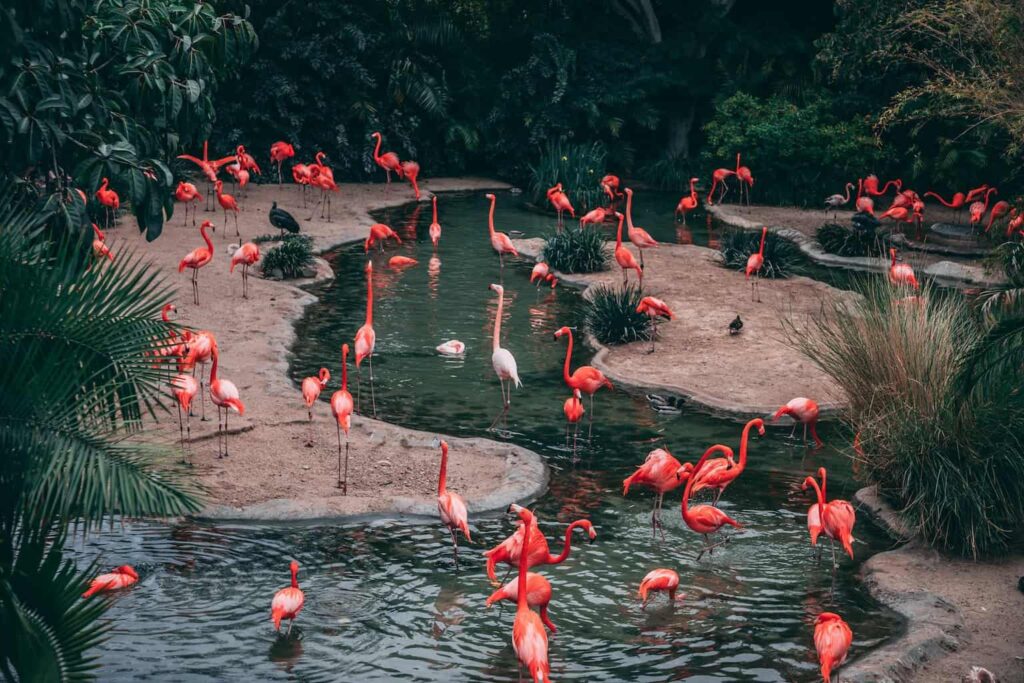
There are over 300 zoos across the UK. London Zoo has over 16,000 animals, whilst Chester Zoo has a whopping 27,000 animals, including 1,571 mammals, 1,759 birds, 339 reptiles, 677 amphibians, 6,739 fish and thousands of insects.
When you think of engineering, zoos aren’t the first thing that come to mind. But they’re definitely places where engineering is at the heart of a day out. Whilst architects design the aesthetics of the buildings, engineers help keep the animals’ habitats just right to help keep them healthy. They are responsible for building and maintaining habitats for all the animals – from Aviaries to Zebras! As well as the animals, engineers also have to consider the welfare and safety of the zookeepers, and also the millions of visitors and their ability to see, learn and feel connected with all the animals.
Engineers who work for zoos are called life support engineers and are trained in architectural, civil, chemical, biomedical, environmental and mechanical engineering. To find out more, let’s meet the team at Chester Zoo.
The first thing you see at a zoo is probably the ticket office and public areas where you can buy food, drink and gifts. These buildings are designed so they can safely accommodate everybody who visits and their different requirement, like children’s buggies and wheelchair access. And with nearly 2m visitors a year to Chester Zoo, a lot of thought goes into things like how people queue up – especially at busy times. Whilst we all want to be in the open air, we also want shelter when it’s raining or very sunny
Walking round, it’s obvious that different animals have different types of habitats – each designed to take into account each animal’s needs and to keep them stimulated.
To create the right home, engineers need to research not only where the animals live in the wild but also their behaviour. Animals can spend a lot of time resting, so having a place where they feel comfortable is essential. How they feed is also important. In the wild, many animals forage for food. This keeps them occupied and provides mental stimulation. So how is the zoo habitat going to provide this stimulation? Well, hiding food around their enclosures and inside objects helps.
Anteaters have long mouths and a long tongue which they use to eat ants from deep inside ants’ nests. By putting their food in long thin tubes in replica ants nests, as well as providing stimulation, visitors can see the how anteater use their tongues to eat.
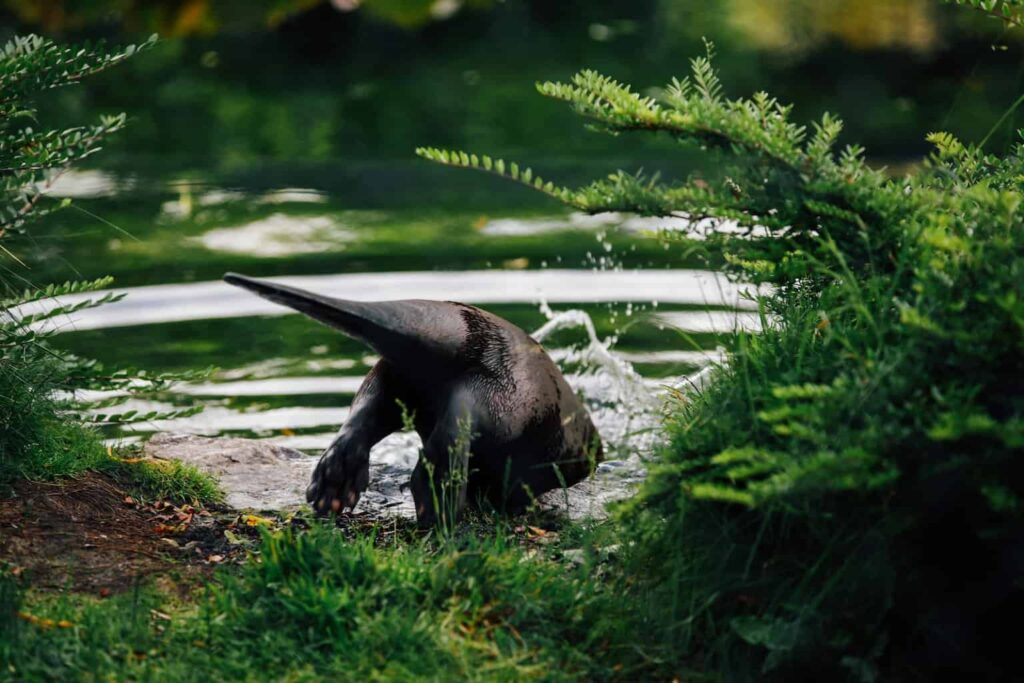
It’s not just food that engineers need to take account of. Take the big cats – they need information such as how high they might jump, what’s the perfect climate for them and do they like other big cats – even their own family members! Once engineers have all the information, they can design a habitat that keeps the big cats safe, healthy and happy.
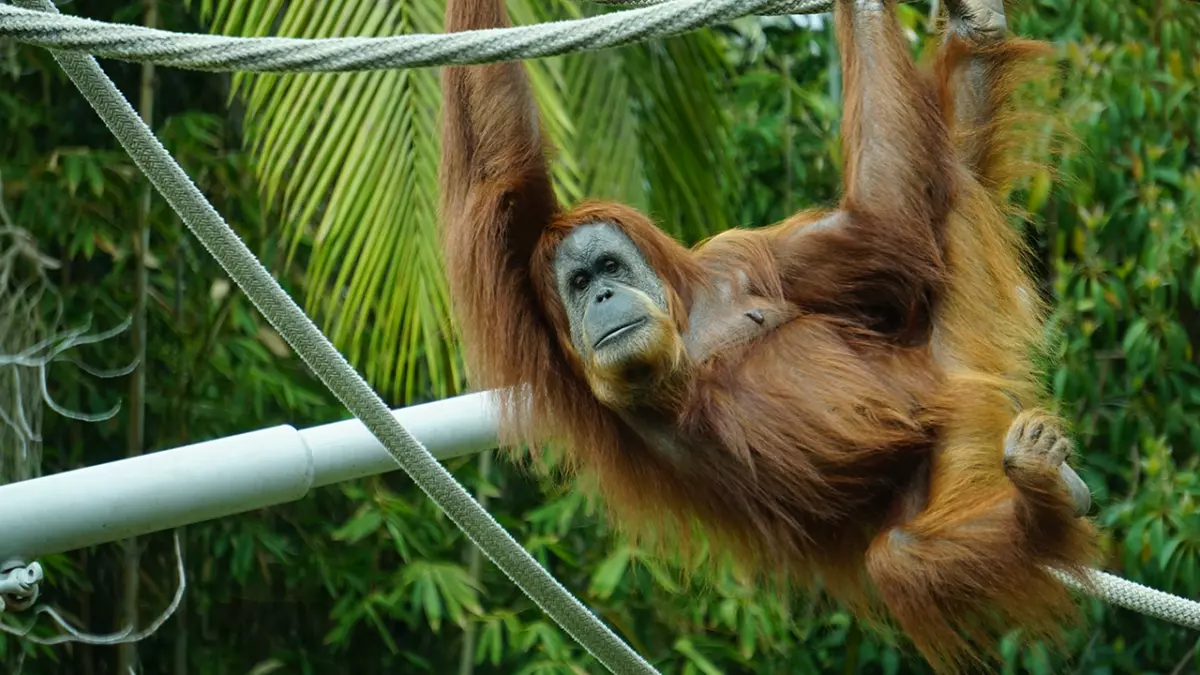
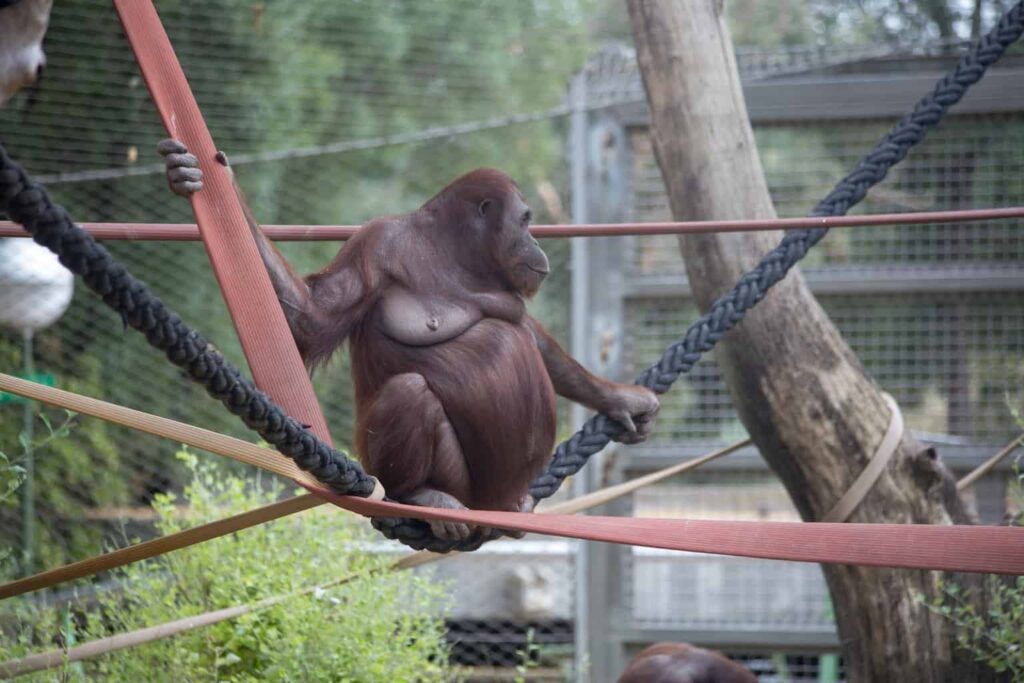
What’s within enclosures is also important. At Chester Zoo, carbon fibre sway poles encourage the Sumatran Orangutans to climb. They look like bamboo and sway in a way that that’s similar to how they move in the natural habitat. They can even be moved around to keep things interesting.
Temperature, lighting and humidity must also suit each animal and relate to their natural cycles. If an animal is adapted to a habitat that’s hot during the day and cold at night, like deserts, the habitats must mirror this.Komodo dragons need lots of warmth and greenhouse style buildings with underfloor heating and water spray helps keep conditions just right.
For safety reasons, with most animals, like elephants, monkeys and lions, you have to watch from outside their habitat. But there are times when we can step into a totally immersive experience, such as watching marine life through large glass windows or walking amongst the birds in aviaries.
Engineers work with animal behaviourists and safety experts to make sure that the structures of each habitat are strong and stable to prevent animals from escaping and to keep visitors and keepers safe. It’s not just animals getting out though – it’s important to stop native animals like urban foxes getting in.
Now conservation and preventing extinction is at the heart of a zoo’s work and nowhere more than at Chester Zoo. Breeding programmes often mean moving animals around – between zoos as well as farther afield, returning rhinos to the wild. And when animals can vary in size from a beetle to an elephant, you might be wondering how that’s done. After all, they’re not going to fit in a pet carrier like you might have for your cat or dog!
The answer is, as you might imagine – engineering! Special transit crates are made, taking into account the exact size and needs of each animal. They also factor in how animals will enter the crates without risk to themselves – or the keepers.
And that’s the letter Z. It’s been a ZINGER!
Now Z is quite a complex letter – do you think there’s any other types of engineers that begin with the letter Z? How about Zoning and maybe even Zinc Production engineering?
Join us again next time to spin the wheel and explore another letter in the A to Z of Engineering!