


Welcome to Engineer Academy where we’re exploring an A to Z of Engineering – everything from acoustics to zoos.
In each episode, we spin the wheel to find out what type of engineering we’ll be exploring with the help of Engers, our engineering expert.
You can listen to the full series of the A to Z of Engineering here.
Let’s take a look at Bridge Engineering.
You’ll find bridges pretty much everywhere – some are massive structures that span valleys and rivers, others are smaller to help us cross motorways and railway lines.
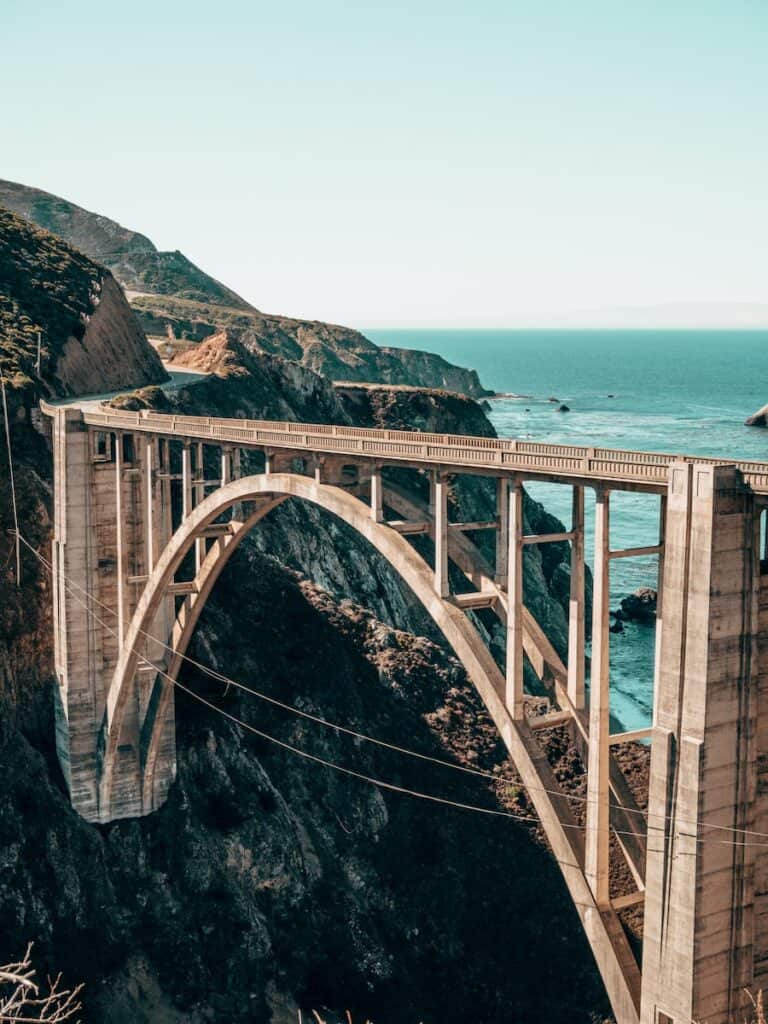
They can be made from many different materials from wood and stone to metal and concrete and did you know there are over 75,000 bridges across the UK. The oldest is Lincoln’s High Bridge which was built over 800 years ago. And the longest? That’s Bromford Viaduct which carries the M6 motorway along the River Tame valley – it’s a whopping 3.5 miles. At the other end of the scale, the UKs lowest bridge is just 30 inches high! So that’s the 101 – but how are bridges made? Let’s ask Engers to help us get across the topic!
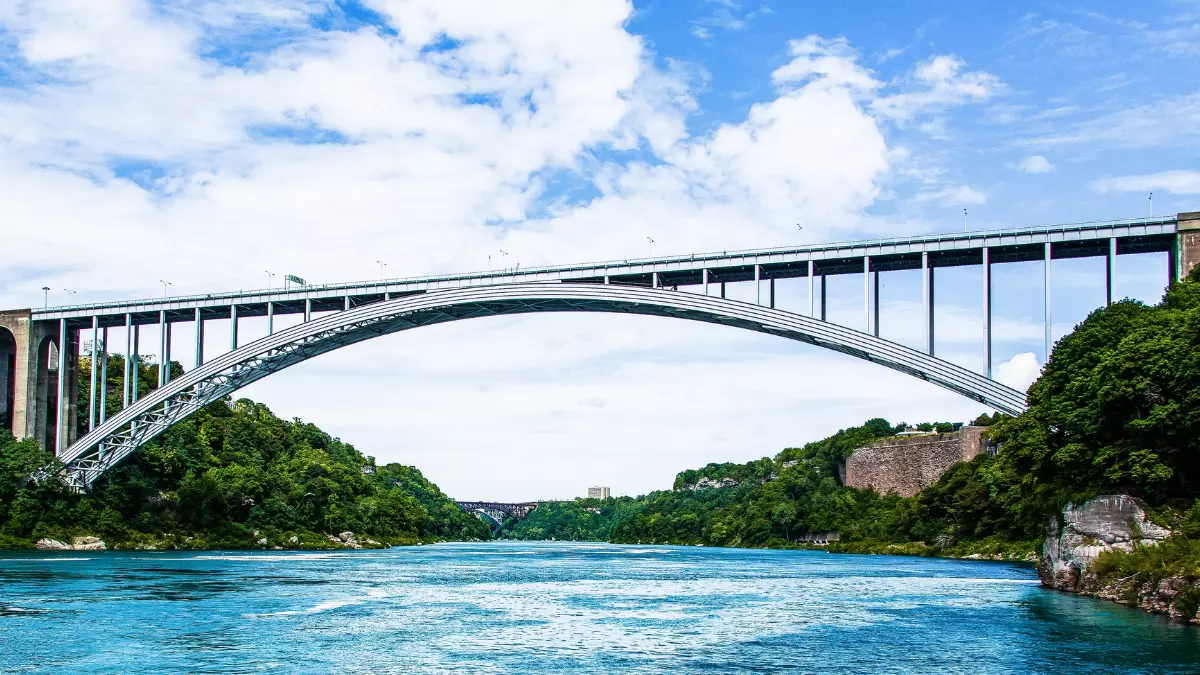
Bridges come in all shapes and sizes but there’s only actually a handful of styles. First up – Arch Bridges, whose main feature is… yes you’ve got it, an arch shaped structure. Arches are held by abutments and pillars which carry the weight and force of the entire bridge structure.
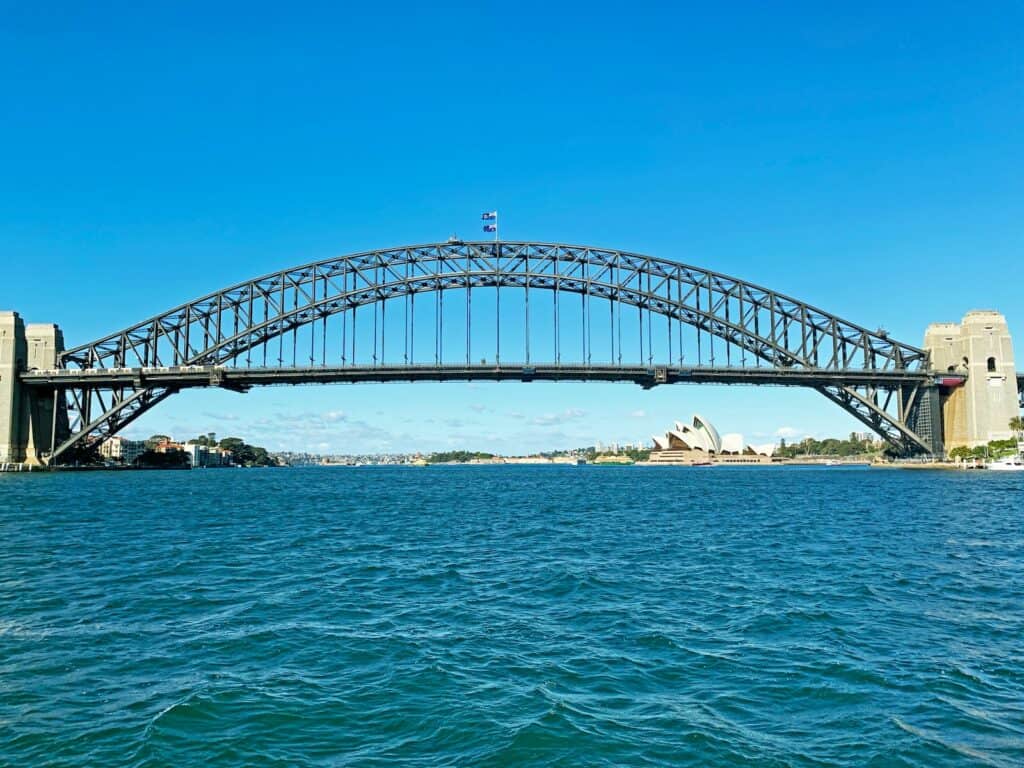
Then there are Beam Bridges. These are probably the simplest type of bridge – imagine a plank of wood across two chairs, although they can have more than two supporting structures.
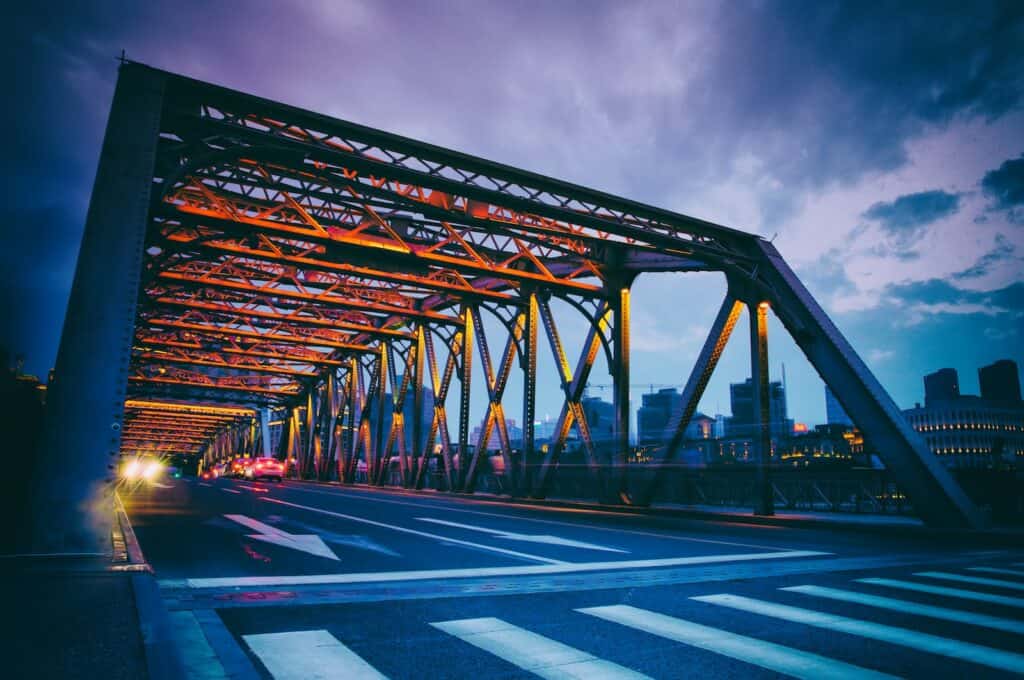
Cantilever Bridges are next – they’re a bit like an Arch Bridge but are held up with horizontal structures which are supported at each end. The Forth Bridge in Scotland is a famous example of a cantilever bridge.
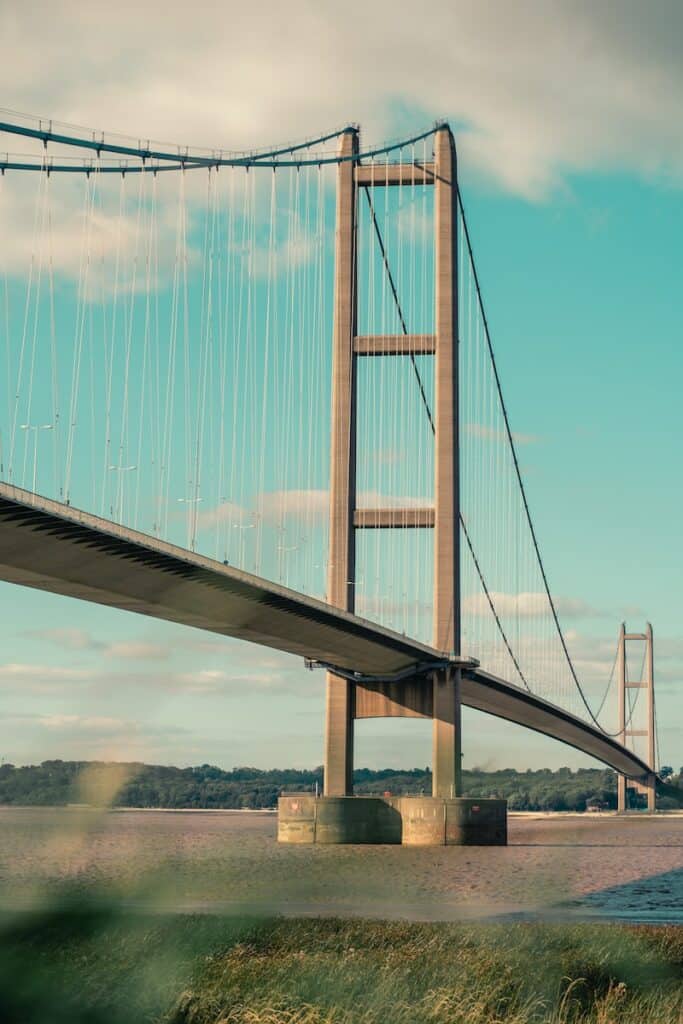
Suspension Bridges use ropes or cables from vertical suspenders to hold the weight of the bridge deck and traffic. The Humber Bridge is the UK’s largest example of a suspension bridge.
And finally, there’s Truss Bridges which use a diagonal mesh of triangle-shaped posts above the bridge to distribute forces across the entire bridge structure. Next time you cross a bridge, try and figure out what type it is!
Bridges and engineering have gone hand in hand since the earliest days, and that’s because there are several challenges to be tackled when designing and building them. It’s vital they’re strong enough to carry the loads and safe for people, animals and traffic. After all, no one wants to end up in the sea!
And as they’ll be expected to last a very long time, they’re quite expensive and time consuming to build.
So how are they built? It’s down to Structural engineers, who start by asking a lot of questions, like what’s the terrain like which will determine what materials and types of foundations are used; is the area at risk of flooding or in a place with high winds; and what’s the geology like – do we need to take account of earthquakes and hurricanes?
Other questions will include what sort of forces they expect the bridge to carry. Will it be traffic such as trucks and cars, or railway trains – and crucially how many? They’ll need to work out if all these stresses and strains could take place at the same time – for example, a bridge might have to withstand heavy traffic AND an earthquake. The engineers need to determine something called the highest potential load. They’ll use software to calculate all these forces – all of which helps a design to be drawn up. In fact, they might actually produce a selection of design ideas!
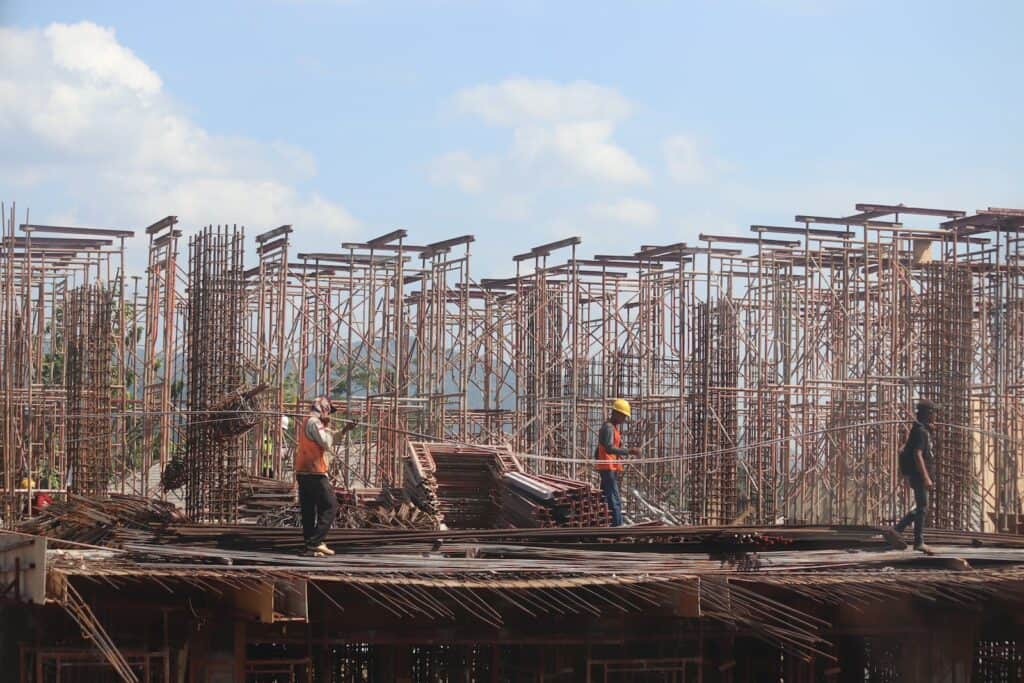
As well as the structure itself, other elements that they will need to factor in are security, lighting, intelligent transport and more. There’s been a tradition for hundreds of years to make bridges beautiful as well as functional – but safety always comes first. So now they have a design, it’s time to get building!
For many years, the four primary materials used for bridges have been wood, stone, iron and concrete. Of these, iron has had the greatest impact on modern bridges. From iron – steel is made, and steel is used to make reinforced and pre-stressed concrete – which is a type of concrete that contains steel bars to add strength. Modern bridges are almost exclusively built with steel, reinforced concrete and pre-stressed concrete, which reduces the amount of steel and concrete needed in a structure, resulting in lighter and less expensive designs.
But there are new innovations all the time – for example, the 30 metre Easter Dawyck Bridge in Scotland is made from 50 tonnes of recycled plastic! It’s light and extremely stable, doesn’t corrode, rust or need painting.
And that’s our take on the letter B – it’s been BRILLIANT!
If you would like to check out some other types of engineering, why not check out Bio-Mechanical, Biochemical, Biomedical or Engineering
Join us again next time to spin the wheel and explore another letter in the A to Z of Engineering!