


Welcome to Engineer Academy where we’re exploring an A to Z of Engineering – everything from acoustics to zoos.
In each episode, we spin the wheel to find out what type of engineering we’ll be exploring with the help of Engers, our engineering expert.
You can listen to the full series of the A to Z of Engineering here.
Let’s take a look at Insulation Engineering.
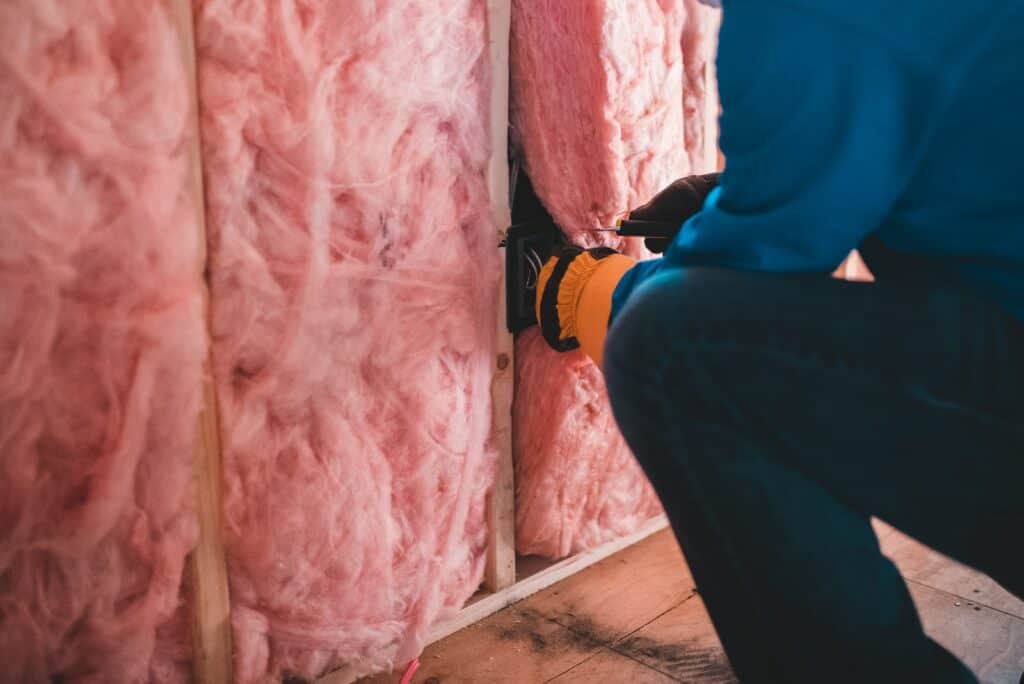
Now, when you hear the word ‘insulation’ you might think about loft and wall insulation in our homes. But there’s a lot more to insulation than that – it’s the act of covering something to stop heat, sound or electricity from escaping so its something that touches almost every part of our lives. Let’s find out more with Engers.
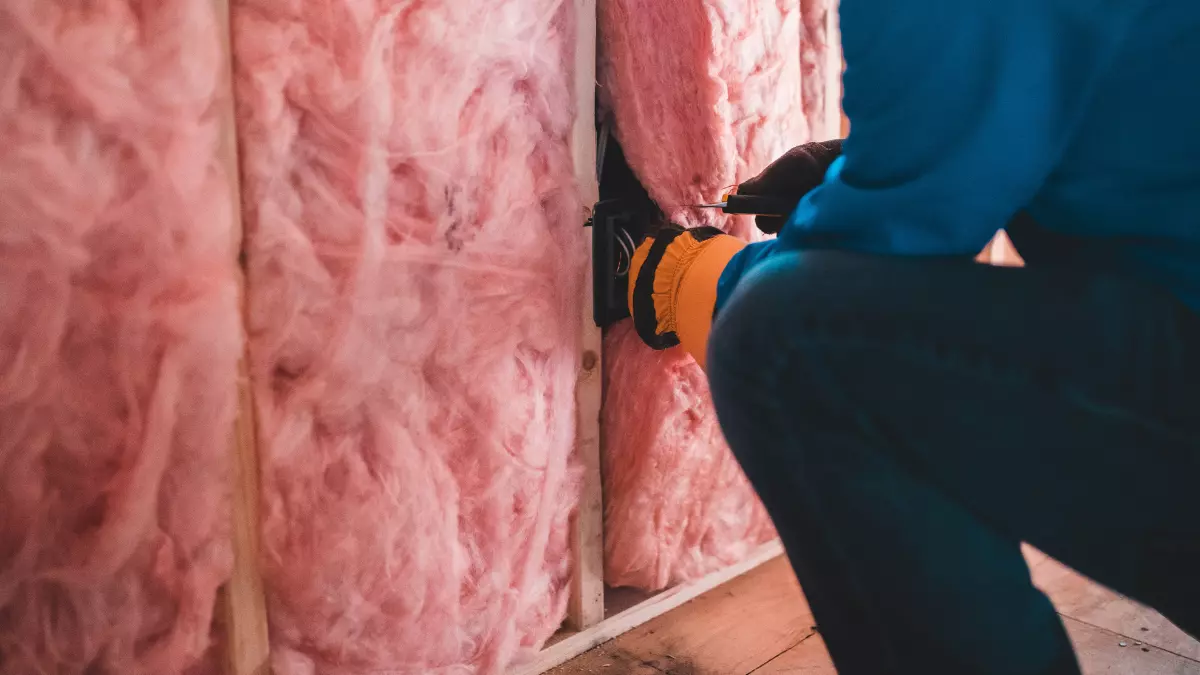
Let’s start with heat insulation. You’re right that it’s something we use to keep our homes and schools warm. Loft and wall insulation, which is usually made of mineral wool or glass fibre, traps air in pockets in the fibre, whilst double glazing is engineered to prevent heat from travelling between the glass panes. They’re simple barriers – but the materials used can be very high tech to maximise the heat retained.
The clever thing is that the very same principles of air pockets and barriers can be used when it’s hot to do the opposite – keep heat outside from travelling inside, reducing the need for things like fans and air conditioning. And the same principle of creating air pockets is used in the clothing we wear.
We know that a puffer jacket will be warmer than a t-shirt because it has lots of spaces between the fibres in the padding which trap our body heat to keep us snug.
Things like ovens also use barriers to ensure that heat doesn’t escape. They use rubber seals to ensure doors fit snugly. And seals are also found in another type of insulation – when we want things to remain cold, like our fridges and freezers.
Next up, let’s hear it for sound insulation.

If you have a neighbour who LOVES their drum kit, you’ll know sound is very good at travelling – even through brick walls. Engineers have designed a wide range of materials that can be used to create sound barriers – and it’s technology that’s also used in factories and around road works where noise levels might even be dangerous.
The last type of insulation we’re looking at is electrical insulation which uses materials in a different way to keep us safe. Preventing electricity from travelling to unwanted places isn’t just helpful – it’s vital to prevent electric shocks or death. Whether it’s the circuits in our mobile phones, kitchen appliances or the pylons and substations that carry electricity around, insulating materials like rubber, porcelain, ceramics, glass, and even plastics and rubber help keep electricity safe. Because of their chemical makeup, these materials don’t let electricity pass through easily.
Let’s have a look at some super cool new innovations in insulation engineering.

Whether for sport, outdoor pursuits or work that needs to be done in freezing conditions, clothing companies have always been looking for new ways to improve the insulation properties of their clothes. Some are developing ‘intelligent insulation’ – fabrics that expand or contract in response to temperature changes. As temperatures drop, the fabrics contract and bend to create channels in their structure to increase the amount of insulation. Pretty clever huh?
Some engineers are developing technology that sucks the heat out of buildings to keep them cool. They’ve created ‘cooling paper’ which uses the porous microstructure of the fibres inside the paper to absorb warmth and direct it away. Their idea was sparked after seeing a waste bin of printing paper. Using a kitchen blender, they turned the wastepaper into a pulp, mixed it with materials that make up Teflon, and used it to coat the outside of buildings. Clever – and energy efficient too!
And that’s our take on the letter I – It’s been INSPIRING!
If you would like to check out some other types of engineering, why not check out Ion, Imaging or Industrial Engineering!
Join us again next time to spin the wheel and explore another letter in the A to Z of Engineering!