



Welcome to Engineer Academy where we’re exploring an A to Z of Engineering – everything from acoustics to zoos.
In each episode, we spin the wheel to find out what type of engineering we’ll be exploring with the help of Engers, our engineering expert.
You can listen to the full series of the A to Z of Engineering here.
Let’s take a look at X-Ray Engineering.
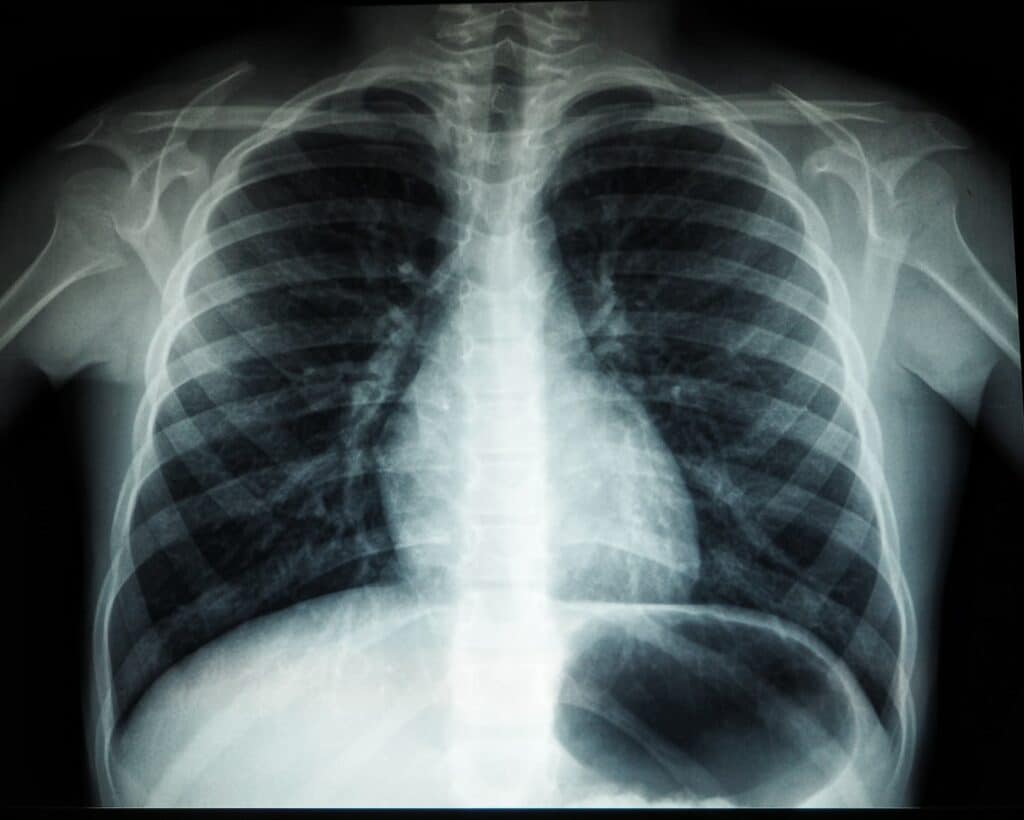
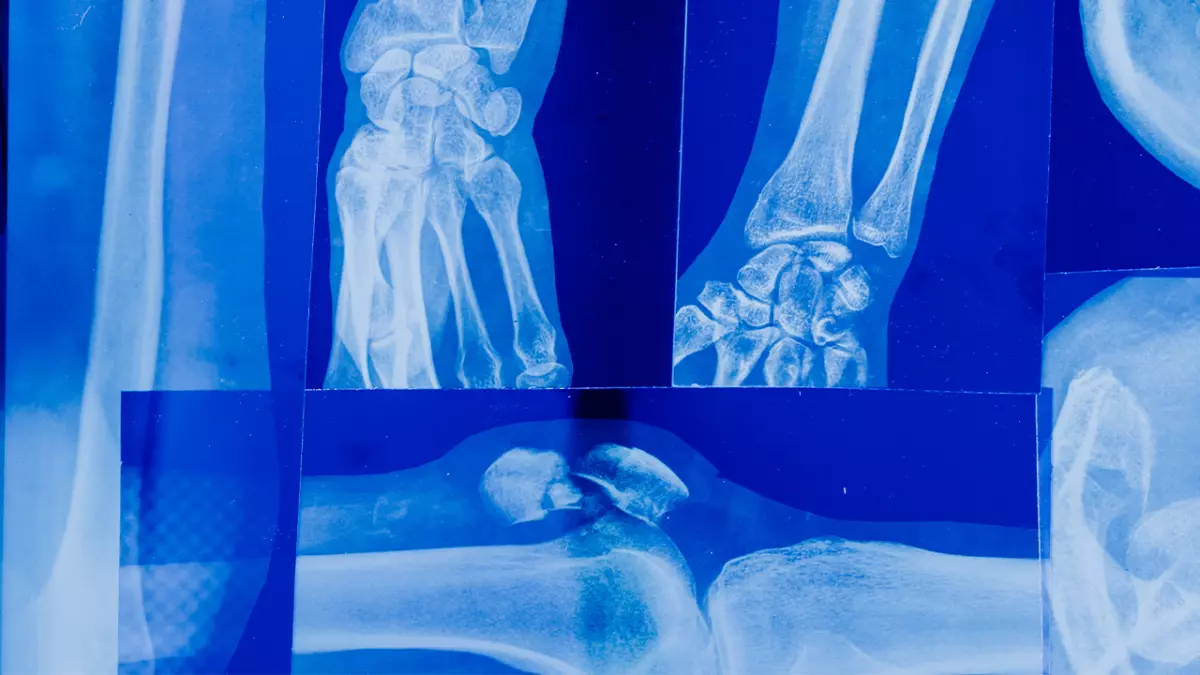
As you might know, X Rays are used to create pictures of things that are otherwise hard to see. When you think of X-rays, you probably think of hospitals, right? They’re used there to diagnose injuries and illnesses. For many patients, their treatment, wellbeing and even their lives depend on these imaging results, making the development and maintenance of these instruments very important. Here’s
Specialist engineers install, maintain and calibrate diagnostic imaging equipment, which as well as X-ray includes MRI and CT equipment, arthroscopic surgical imaging devices, radiology equipment and much more. It’s not a job without challenges.
X-ray imaging comes with a radiation exposure risk factor. Whilst the amount of radiation released by each X-ray is minute, if you’re working around these machines for years – well, it all adds up. Modern technology has however significantly reduced the amount of exposure since the technology was introduction in 1895.
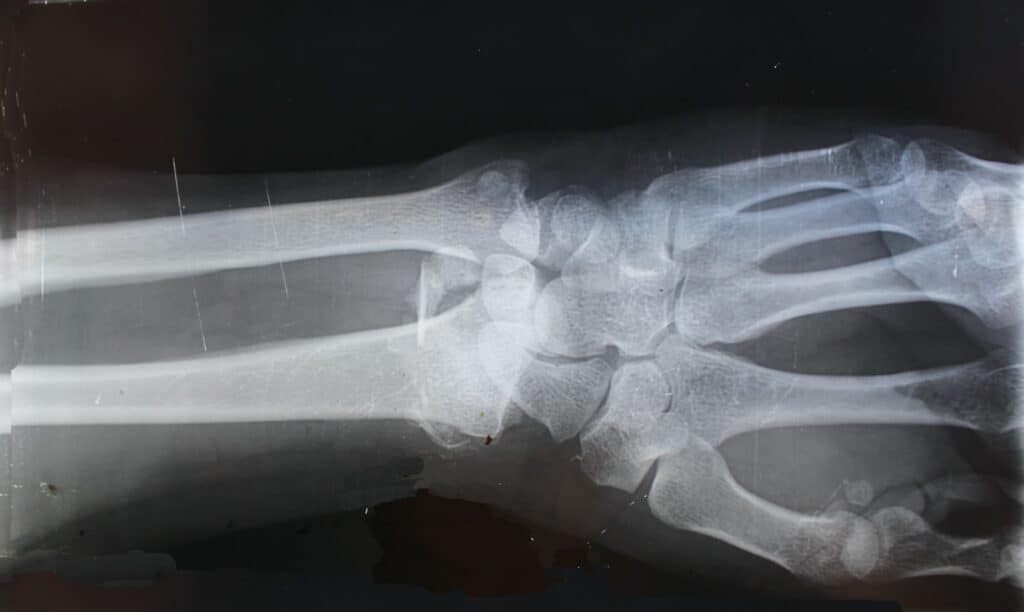
Some engineers work in research to develop new imaging techniques and technologies which allow for less invasive diagnostic and treatment procedures, whilst providing more useful information and insight into a patient’s condition. And these new technologies aren’t found just in hospitals.
We’re at the airport! When we travel on planes, our luggage is X-rayed to make sure there isn’t anything inside that’s dangerous or prohibited. There is currently a programme to upgrade UK scanners to CT technology – this will enable more accurate 3D images – and make it quicker to scan bags – after all no one likes standing in a queue!
X Rays and CT scans are only for the luggage though, people are scanned mostly using metal detectors.

And if you’ve been on holiday by ferry or Eurotunnel, you might have seen some strange equipment around the terminals. Some of these are X-ray machines that scan the inside of lorries, containers and other vehicles – again to check there’s no dangerous items inside. They can also check to see if any people are inside who might be smuggled across the border. All these imaging technologies have been designed and built by engineers, and need careful maintenance to give accurate results – quickly and safely, to cope with the huge number of passengers and vehicles travelling.
Another place where you find X-ray machines is in manufacturing. X-rays help test materials, including metal, plastic and composites, to look for any defects. For example, take a boiler drum – It’s made of 1½ inch steel plates which are welded together. It’s good to check the welding seams to make sure there’s no defects or otherwise . Now it’s easy to examine the outside of the drum… but inside? That’s were X-ray equipment comes in. It can check the inside and make sure everything is ship-shape.
A lot of new technology, including our phones, uses Print Circuit Boards for mounting integrated circuits and chips. These circuits are tiny and hard to see, and it’s hard to inspect them by the eye. Luckily, X-ray inspection makes the job easy, fast and efficient, and can detect errors even in multi-layers.
Imaging using X Rays is an exciting branch of engineering with new advances making more scientific discoveries possible. Engineers are already working on the future of X-ray science, looking for ways that make us better off and more secure.
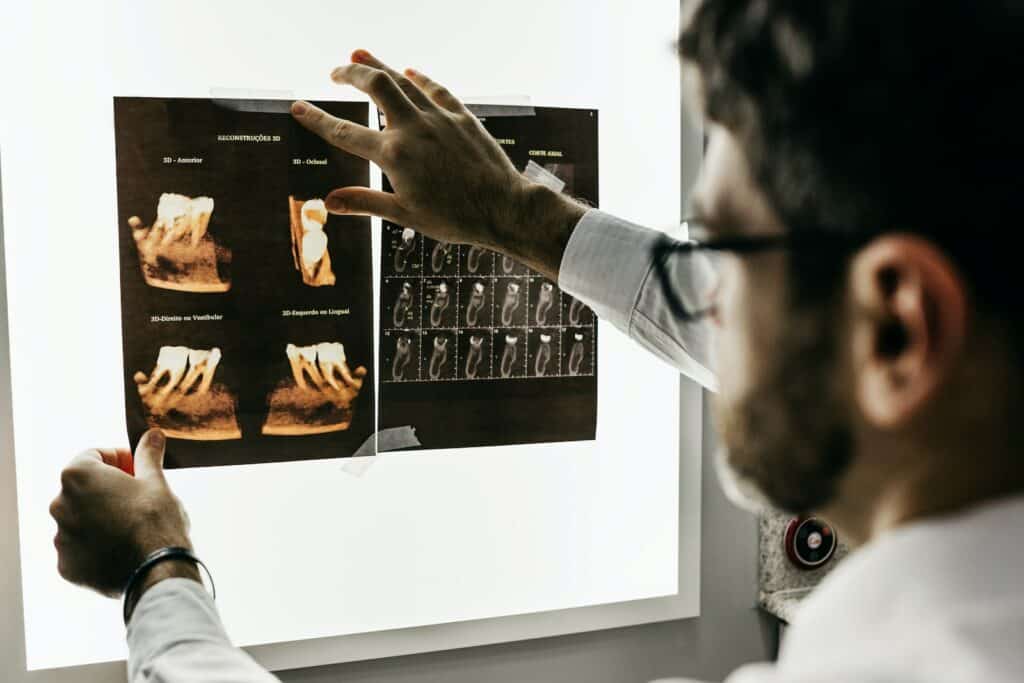
This includes producing X-ray machinery which uses much higher resolution detector technology to capture more accurate and detailed images and better results for us all. Often making advances like these means that engineers from different disciplines work together.
And that’s our take on the letter X – It’s been Excellent!
If you would like to check out some other types of engineering, why not check out Kite or Knowledge Engineering.
Join us again next time to spin the wheel and explore another letter in the A to Z of Engineering!