


Dan and Bex from Fun Kids are on a railway journey, and are thinking about how trains get around!
Everyone knows trains run on track – but what IS track? Track is probably the most important part of the railway. Without it, trains can’t go anywhere!
Track is made up of parallel steel bars that guide and support the trains. Some track can also carry electricity to power trains. Let’s break it down!

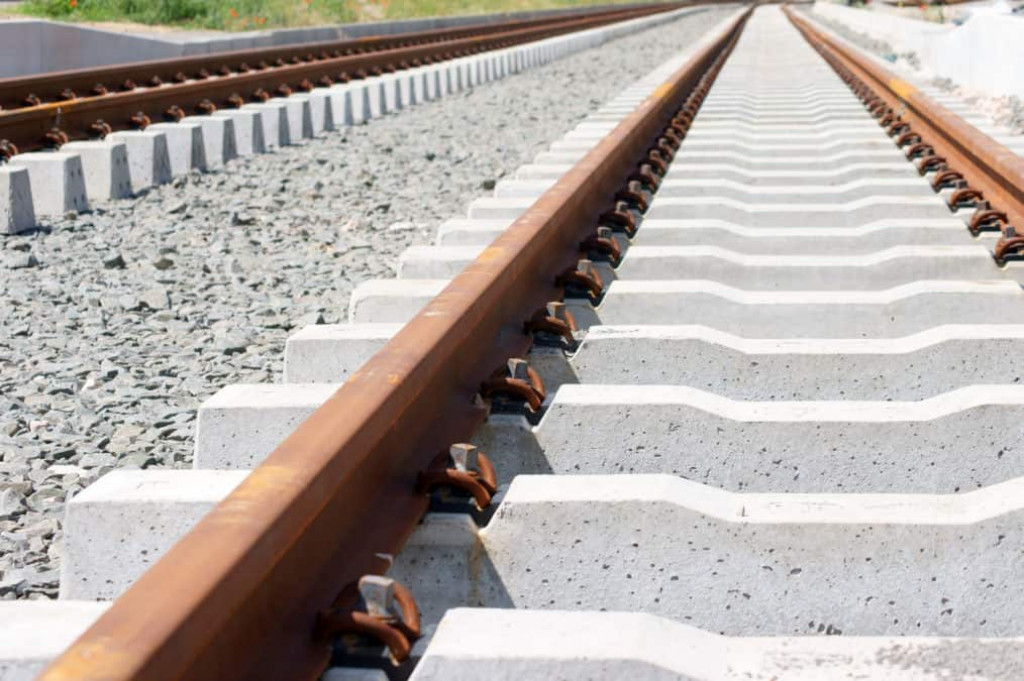
Track is made up of several bits. First you’ve got the rails – these are the long metal strips on which the train wheels run. Because they’re metal, they can be affected by changes in temperature, which can cause them to expand and contract.
Sleepers are the horizontal supports which lie underneath the rails, helping hold them in place. They can be made of wood, concrete or metal. Special fasteners connect the rail to the sleepers.
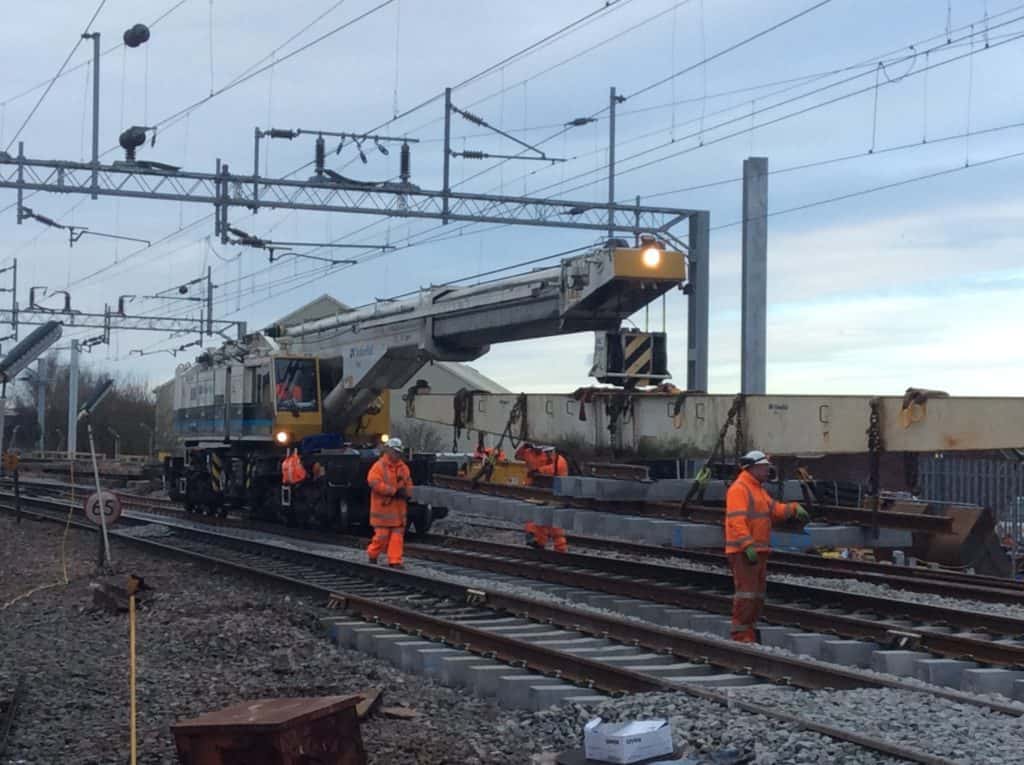
Then there’s the ballast. This is made up of irregular shaped stones that go under and around the track to form a foundation that helps water to drain away and keeps the track in place.
Special machines are used to lay it so that it’s steady and level. Ballast is cheap and easy to use. But sometimes, you need something different…
Sometimes track doesn’t have ballast at all! This is called slab track – and the track is fixed to a concrete base. It’s quite common in tunnels and around stations, and where you want to reduce noise.
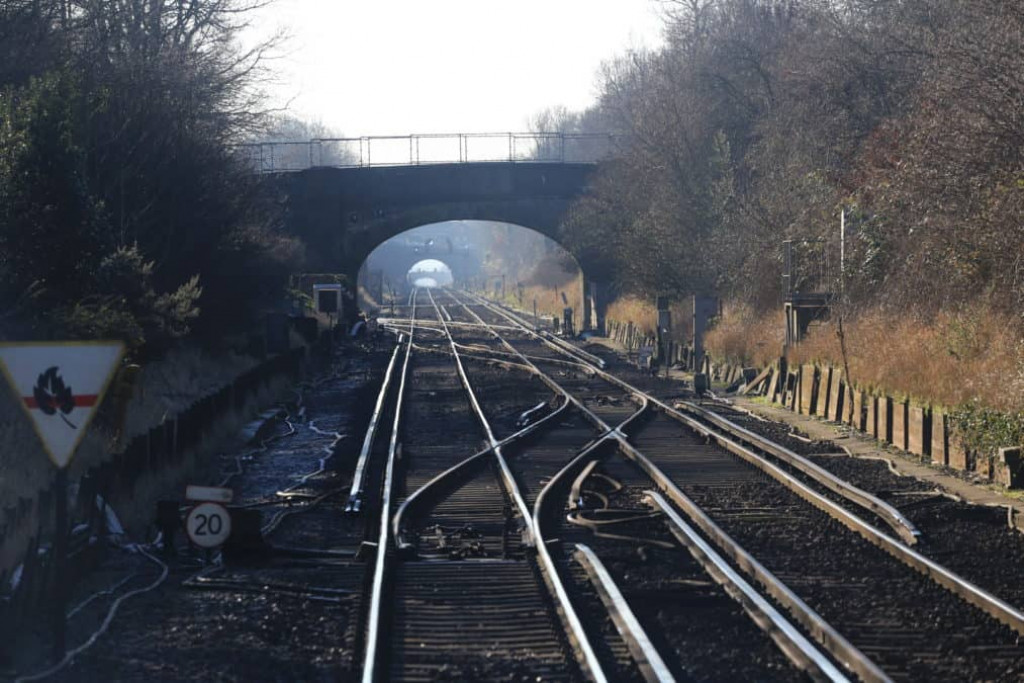
As well as the parallel rails, there are also switches or points – moveable sections of track that guide trains from one track to another. They have to take a lot of wear and tear – on busy lines, hundreds of trains go over the points every day.
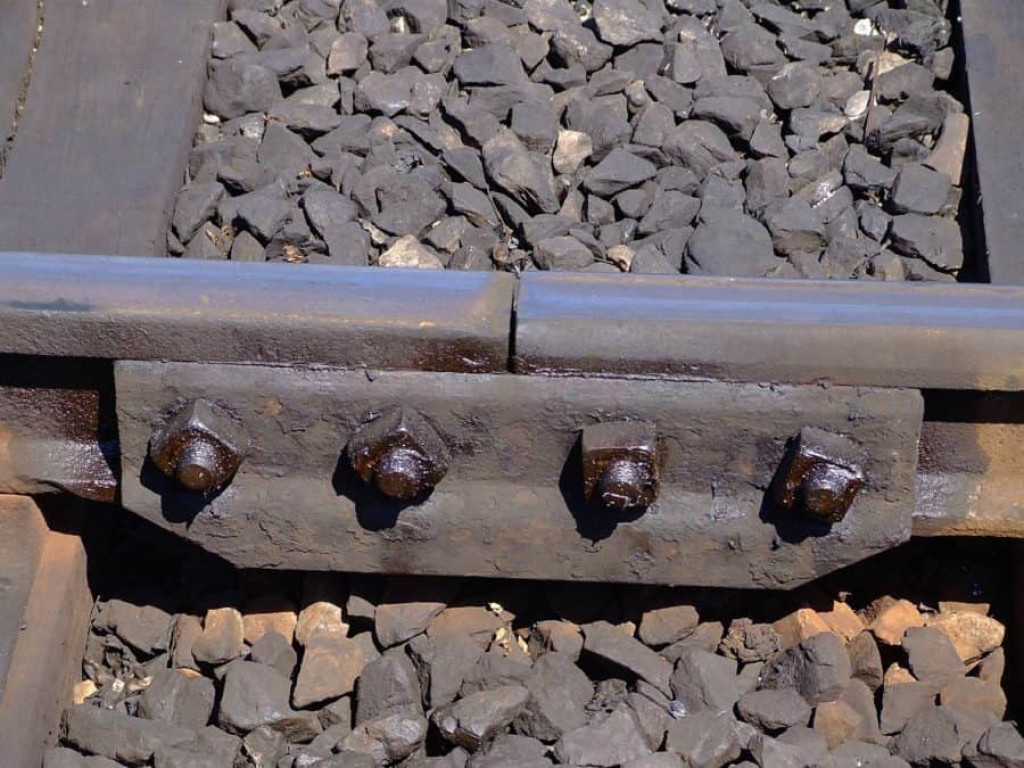
Normally each bit is about 20 metres long and they used to be bolted together using pieces of metal called fishplates. That’s where the click-clack noise comes from…
The clickety clack is just the wheels going over these small gaps!
Those sounds might be a thing of the past though with most rail today being welded together. It not only makes them stronger and easier to look after – there are fewer gaps.
Quieter trains running on smoother tracks aren’t just a good thing for people inside the train itself…
People who live close to railways can find the noises and vibrations from the track and the trains annoying.
Ballast does a good job of dampening the sounds between the wheels and the tracks. On slab tracks, spring system can absorb even more vibrations – great when tunnelling under cities and buildings where quiet is important, like a concert hall…
Find out more about Britain’s railways!
Bex and Dan from Fun Kids learn all about the future of Britain’s railways, from signals to trains and tracks, in this new podcast series!
 Apple Podcasts
MOBILE: Kids Guide to Transport: Rail and Road
Bex and Dan learn all about the future of Britain's roads and railways!